

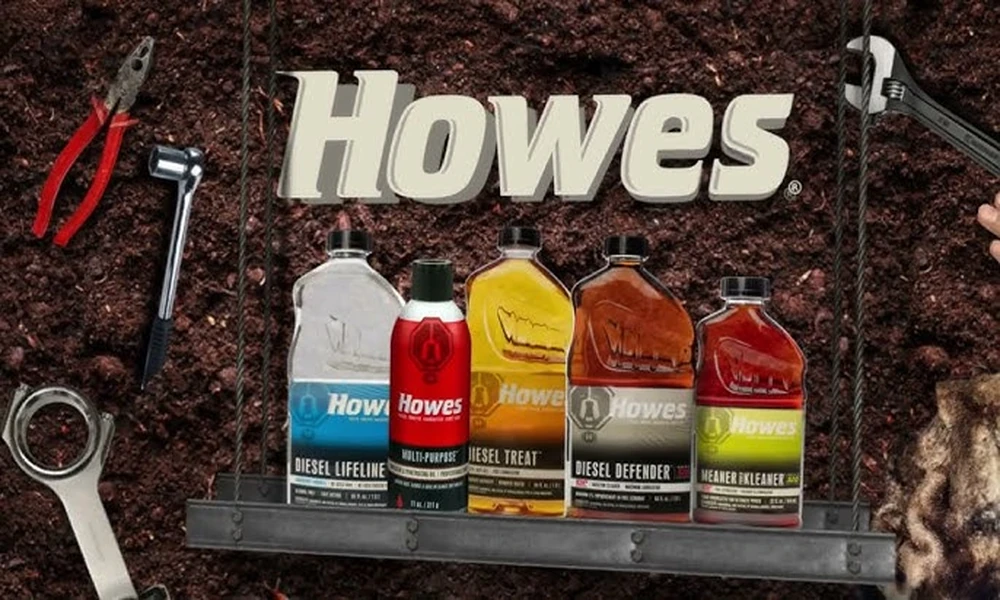
I teach maintenance teams how to move faster without cutting corners. In every shop I visit, a good penetrating oil is one of the simplest ways to save time and protect parts. Products like Howes Multi-Purpose combine penetration, lubrication, and water displacement in one step, which makes them easy to reach for when a job threatens to stall.
In this guide, I will show you how to get the most from a penetrant. You will see the highest value uses, how to apply it the right way, what to avoid, and how to pick a brand that supports your work. I chose these tips based on common shop failures and the quickest fixes I teach techs to use daily.
Why Penetrating Oil Matters
Penetrating oil is thin, moves into tight gaps, and loosens corrosion that locks parts together. It also displaces water and leaves a light film that helps prevent parts from seizing again.
Use it to:
- Break the bond on rusted threads
- Free sticky pivots, rollers, and cables
- Push out moisture before you power up equipment
- Keep tools from flash rust after cleaning
You avoid broken bolts, stripped heads, and heat damage. You also reduce rework because the film helps shield parts from new corrosion.
Where It Saves You Time
Use a penetrant any time friction or corrosion slows you down. Start with these high-yield spots.
- Seized fasteners on exhausts, manifolds, and undercarriage hardware
- Wheel studs, lug nuts, and brake hardware during teardown only
- Hinges, latches, door locks, and linkages
- Cables and levers on mowers, snow equipment, and small engines
- Chains, rollers, and slides on fabricators and presses
- Electrical connectors that saw water or road salt
- Battery terminals and ground points after cleaning to resist new oxidation
- Shop tools after wire brushing or media blasting to prevent flash rust
- Stuck set screws and collars on shafts
- Sticky valves, chokes, and light-duty springs
For anything that moves, a small application can prevent a big repair later.
How to Apply It Right
Use a steady plan and you will free parts faster and avoid damage.
1. Clean the area. Knock off loose rust and dirt with a wire brush. Wipe heavy grime.
2. Apply a small amount. Use a straw for accuracy. Aim for the thread path or joint gap.
3. Give it time. Let it wick in for 5 to 15 minutes. For heavy rust, reapply and wait longer.
4. Add a little shock. Tap the fastener head or the side of the joint with a small hammer to break scale.
5. Try removal. Use the correct size drive. Work the part back and forth rather than forcing one direction.
6. Reapply if needed. A second cycle often finishes the job.
7. Wipe the residue. Clean and re-lube with the right grease or oil for service.
Pro tip: Warm parts accept penetrant better than cold parts. Do not use open flame. Gentle indirect heat is safer if needed.
Safety and Surface Care
Penetrants are safe on most metals. Many are also fine on rubber, vinyl, and plastics, but you should test hidden spots first.
- Keep off friction surfaces like brake pads and rotors
- Keep overspray off belts and painted surfaces you care about
- Ensure ventilation
- Wear gloves and eye protection
- Store away from ignition sources
If you overspray, wipe and clean with a suitable shop solvent.
Choosing a Brand You Can Trust
I look for a penetrant that does three things well. It has to creep into tight places, lubricate without evaporating fast, and displace water. It also should not leave a sticky film that grabs dust.
Howes fits those needs. They are a long-standing maintenance brand that builds for people who run trucks, farms, fleets, shops, and marine gear every day. Their Multi-Purpose oil is petroleum-based and alcohol-free, which helps it stay put after it penetrates. It loosens rust, removes sludge and gunk, pushes out water, and leaves a protective film that does not attract dirt. That matters if you want clean parts that keep moving.
They also stand behind their products with a strong satisfaction guarantee and have built a reputation over many decades in demanding environments. If you want a simple choice with broad use across the shop, Howes deserves a spot on your cart.
Quick Shop Checklist
Keep your process tight. A few small habits pay off.
- Park a can at each bench with extra straws taped to the can
- Label a small brush and wire wheel for pre-cleaning threads
- Set a timer for soak intervals during other tasks
- Keep lint-free rags in a sealed bin for quick wipe downs
- Note any parts that seized and apply a protective film after reassembly
- Log repeat offenders on equipment so you can pre-treat next service
Troubleshooting Examples
- Rusted exhaust clamp: Wire brush the threads. Soak both sides. Wait 10 minutes. Tap the nut flats. Back off one quarter turn, then forward again. Repeat until free. Replace hardware if pitted.
- Sticky door lock: Insert straw at the keyway and linkage access. Short burst. Work the key in and out ten times. Wipe excess. Add a dry lubricant after freeing if dust is an issue.
- Wet trailer connector: Spray to displace water. Shake out the housing. Reconnect and test. Add a light film to pins before storage to resist new corrosion.
Maintenance Habits That Prevent Seizure
Penetrants do not only rescue stuck parts. Use them to prevent failure.
- After any wash or salt exposure, mist hinges, latches, and locks
- Before winter storage, treat control cables and pivot points
- After machining or blasting, coat bare metal tools and fixtures
- On reassembly, add a protective film to non-critical threads and wipe off the excess
- Before seasonal startups, cycle linkages and chains with a fresh coat
A few seconds of prevention keeps you from broken bolts and extra labor later.
Final Thoughts
Penetrating oil is a small investment that returns hours of saved time across the year. If you build a simple habit around cleaning, soaking, and protecting, you will turn stuck jobs into routine work and extend the life of your equipment. Choose a brand built for real shop use, keep it within reach, and use it often.
