

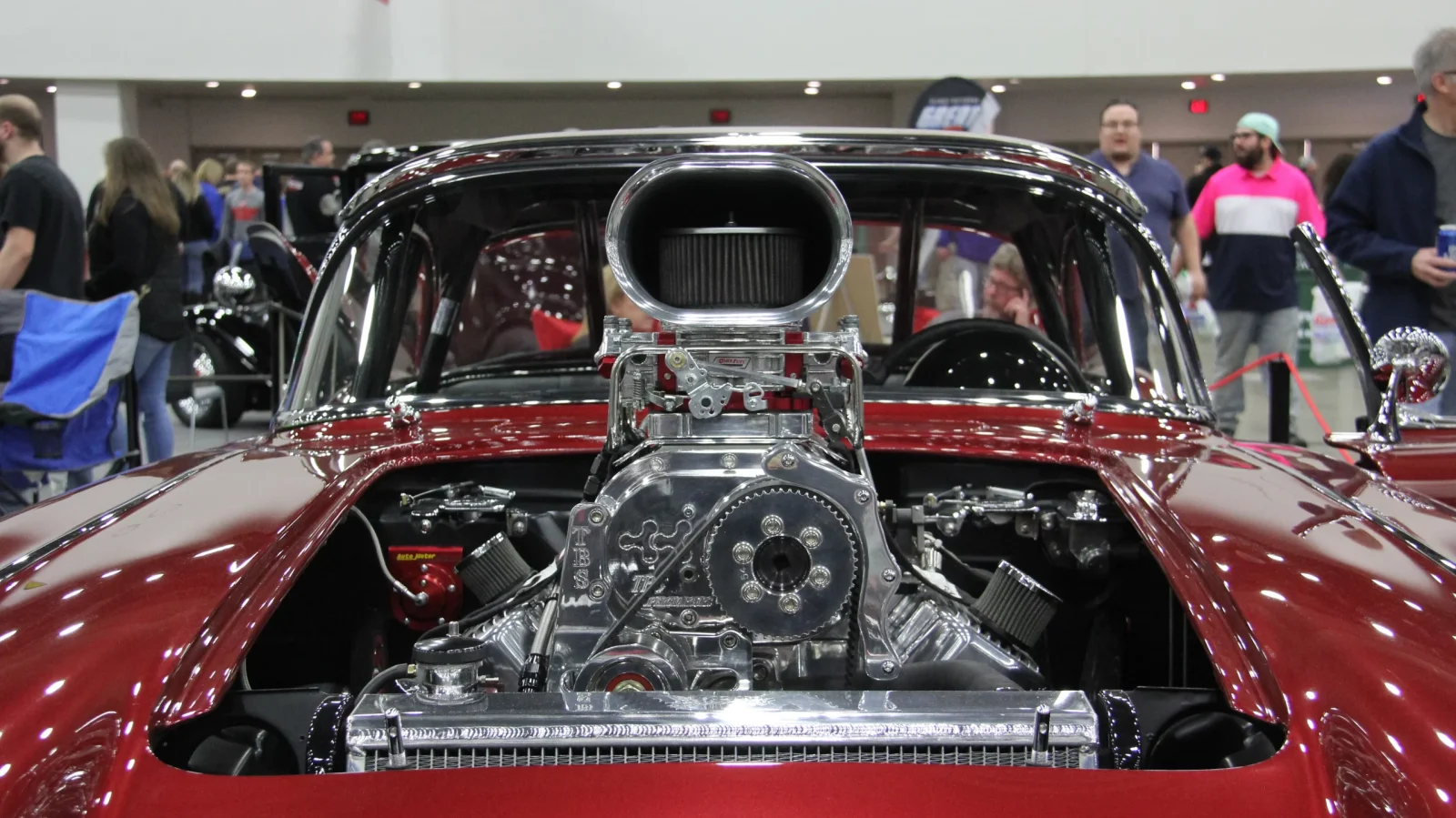
Restoring a classic car involves hundreds of decisions. Paint, bodywork, wheels, interior trim, suspension, and engine components often receive most of the attention, but the exhaust system can have just as much influence on how the finished car feels.
A worn or poorly chosen exhaust can introduce rattles, corrosion, excessive cabin noise, and a sound that does not suit the character of the vehicle. The right setup, on the other hand, can support reliable operation while giving the car an exhaust note that feels appropriate for the build.
Whether the goal is a factory-style restoration, a weekend cruiser, or a modern restomod, choosing an exhaust system should be part of the overall restoration plan rather than an afterthought.
Decide What Kind of Restoration You Are Building
The first step is deciding what the finished vehicle is supposed to be.
A factory-correct restoration usually places originality above everything else. Owners may want the exhaust routing, muffler appearance, pipe diameter, and tailpipe position to remain as close as possible to the original specification.
A restomod follows a different philosophy. It may preserve the classic appearance while introducing modern brakes, suspension, cooling, fuel delivery, transmission components, and other upgrades.
For this type of project, a modern performance exhaust system can be considered alongside the rest of the vehicle’s mechanical upgrades. The important point is to choose a system that matches the engine configuration, available space, expected sound level, and intended use of the car.
Neither approach is automatically better. A carefully restored original and a thoughtfully built restomod simply have different priorities.
Sound Should Suit the Character of the Car
Exhaust sound is one of the most noticeable parts of the driving experience.
A classic V8 with a deeper exhaust note can feel completely different from the same vehicle with a quiet factory-style system. However, louder does not always mean better.
An aggressive exhaust may sound impressive during acceleration but become tiring during long-distance driving. A quieter system may suit a restored cruiser that spends more time on the highway or attending shows.
Owners should think about how the car will actually be driven.
A weekend vehicle used for short local trips may tolerate a stronger exhaust note. A classic car used for road trips, club events, and regular cruising may benefit from a more restrained sound.
Listening to online videos can help during the research stage, but recordings do not always represent the real sound accurately. Microphones, engine modifications, camera position, and the environment can all affect the recording.
Whenever possible, hearing a similar setup in person provides a much better reference.
Consider the Entire Engine Setup
An exhaust system should not be selected in isolation.
Engine displacement, compression, camshaft profile, intake setup, exhaust manifolds or headers, and transmission gearing can all influence how the exhaust behaves and sounds.
A system that produces a mild tone on a mostly stock engine may sound noticeably different when paired with a larger camshaft or other engine modifications.
Pipe diameter deserves attention as well.
It is easy to assume that a larger pipe automatically means a better exhaust system, but that is not necessarily the case. The diameter should suit the engine and the overall system design.
Choosing components simply because they are larger can result in unnecessary fitment challenges and a sound that does not match the intended character of the vehicle.
A well-matched system is generally more important than selecting the biggest components available.
Material Choice Affects Durability
Classic cars often expose exhaust components to conditions that can accelerate corrosion.
Some vehicles spend long periods in storage. Others are driven only occasionally, which means moisture can remain inside the exhaust if the system does not stay hot long enough to evaporate condensation.
Older systems may also have years of exposure to road salt, rain, humidity, and debris.
Mild steel and aluminized steel have been widely used for exhaust systems and can provide satisfactory service, but corrosion can eventually develop around seams, joints, mufflers, and mounting areas.
Stainless steel is often considered for vehicles that owners intend to keep for many years because of its stronger resistance to corrosion.
The best material still depends on the restoration goal.
A strict factory restoration may prioritize original-style appearance and construction, while a driver-focused restomod may place greater value on durability and reduced maintenance.
Fitment Can Be More Complicated Than Expected
Installing an exhaust system on an older vehicle is not always as straightforward as fitting one to a completely stock modern car.
Many classic vehicles have been repaired or modified several times during their lives.
Possible changes include:
-
Replacement floor panels
-
Different transmissions
-
Aftermarket suspension
-
Larger rear axles
-
Engine swaps
-
Modified fuel systems
-
Different headers or manifolds
-
Previous exhaust repairs
Any of these changes can affect the available space underneath the vehicle.
An exhaust should maintain suitable clearance from the body, suspension, driveshaft, fuel lines, brake lines, and electrical wiring. Pipes or mufflers positioned too close to other components can create heat problems, rattles, or damage.
Ground clearance also matters. A system that hangs too low may scrape on speed bumps, steep driveways, or uneven roads.
For heavily modified vehicles, some fabrication may be necessary to achieve proper routing.
Do Not Ignore Cabin Drone
A strong exhaust note under acceleration and a constant exhaust resonance inside the cabin are two very different experiences.
Drone is a low-frequency sound that can become particularly noticeable when the engine remains at a steady RPM.
It may barely matter during a short drive around town but become uncomfortable during an hour or two of highway cruising.
Several factors can influence drone, including:
-
Muffler design
-
Resonators
-
Pipe length
-
Pipe diameter
-
Exhaust exit location
-
Vehicle insulation
-
Engine speed
This is another reason to choose an exhaust according to how the vehicle will be used rather than how it sounds during a short demonstration.
For a classic car that regularly covers longer distances, comfort should be considered alongside sound.
Keep the Vehicle’s Identity in Mind
One of the challenges of modifying a classic car is improving it without losing the qualities that made the vehicle interesting in the first place.
An exhaust system can easily change the personality of a car.
Some owners want a subtle tone that remains relatively quiet at idle and becomes more noticeable under acceleration. Others deliberately want a stronger sound that reflects the engine and performance modifications.
Companies such as Borla Performance Industries offer vehicle-specific exhaust options and different sound characteristics, but the final choice should still be based on the individual car and how the owner wants to use it.
The appearance of the exhaust tips also deserves consideration.
Large polished tips may complement certain restomod builds, while a period-inspired restoration may look better with a more understated design.
The exhaust should feel like part of the car rather than an unrelated component added at the end of the project.
Check the Existing Mounting Points
Exhaust hangers and mounts often receive less attention than pipes and mufflers, but they are essential to a properly installed system.
Old rubber mounts can become hard, cracked, or stretched. Metal hangers may be bent or weakened after years of use.
Reusing damaged hardware can allow a new exhaust to move more than it should.
That movement can lead to:
-
Rattles
-
Contact with the body
-
Stress on welded joints
-
Misaligned exhaust tips
-
Premature component wear
The mounting points should be inspected during installation, and worn components should be replaced where necessary.
A properly supported exhaust should remain secure without transferring excessive vibration into the vehicle.
Think About Heat Management
Exhaust components operate at high temperatures, and routing becomes especially important on modified classic cars.
Pipes positioned too close to the floor can contribute to excessive cabin heat. Fuel lines, wiring, brake lines, and other components also need adequate clearance.
Heat shields should remain in place where required, and damaged or missing insulation should be addressed during the restoration.
This is especially important when headers or other engine modifications change the original exhaust routing.
Solving heat-management issues during installation is generally easier than discovering them after the interior has been completed.
Confirm Compatibility Before Ordering
Classic vehicles can have many variations even within the same model year.
Before purchasing an exhaust system, confirm details such as:
-
Exact model and year
-
Engine size
-
Transmission type
-
Body style
-
Wheelbase
-
Manifold or header configuration
-
Rear axle
-
Suspension changes
-
Existing modifications
A system advertised for a particular model may not fit every version of that vehicle.
Previous modifications can complicate matters further, particularly if the car has had an engine or transmission conversion.
Checking these details before ordering can prevent returns, fabrication costs, and installation delays.
Consider How Often the Car Will Be Driven
The ideal exhaust for a show car may not be the best choice for a vehicle that is driven several times a week.
A car that covers only short distances may place greater emphasis on appearance and sound. A classic used for regular cruising needs to balance those qualities with comfort and durability.
Owners who travel to distant shows or club events should think carefully about highway noise.
Weather also matters. A vehicle driven through wet conditions or stored in a humid environment may benefit from materials with greater corrosion resistance.
Choosing an exhaust around real-world use usually produces a more satisfying result than selecting one based only on appearance or sound clips.
Check Local Noise and Emissions Requirements
Classic vehicles may be treated differently under emissions and inspection rules depending on their age and location.
Some vehicles receive exemptions, while others are still subject to specific requirements.
Owners should confirm applicable regulations before changing emissions-related components or installing an unusually loud exhaust.
Rules may cover areas such as:
-
Exhaust noise
-
Catalytic converters
-
Emissions equipment
-
Inspection requirements
-
Roadworthiness
A system that is appropriate for a competition vehicle may not necessarily be suitable for regular road use.
Checking the rules before installation can help avoid having to replace newly installed components later.
Inspect the System After Installation
Once installation is complete, the entire system should be inspected before the vehicle returns to regular use.
Check that:
-
Exhaust joints are properly sealed
-
Mounting hardware is secure
-
Pipes do not contact the body
-
Fuel and brake lines have adequate clearance
-
Wiring is protected from heat
-
Exhaust tips are correctly aligned
-
The system has sufficient ground clearance
-
No unusual rattles or leaks are present
It is also useful to inspect the exhaust again after several drives.
Heating and cooling cycles can reveal movement or small alignment issues that may not have been obvious during the initial installation.
Final Thoughts
The exhaust system may sit underneath the car, but it has a major influence on the personality of a classic vehicle.
It affects sound, comfort, appearance, durability, and the way the vehicle feels during everyday driving.
The right exhaust is not necessarily the loudest, largest, or most expensive system available. It is the one that matches the engine, fits the vehicle correctly, suits the restoration style, and supports the way the owner plans to use the car.
Taking time to consider materials, sound level, fitment, heat, mounting, and long-term driving comfort can prevent many common problems.
When those details are handled properly, the exhaust becomes more than another replacement part. It becomes a carefully considered part of the finished restoration.
