

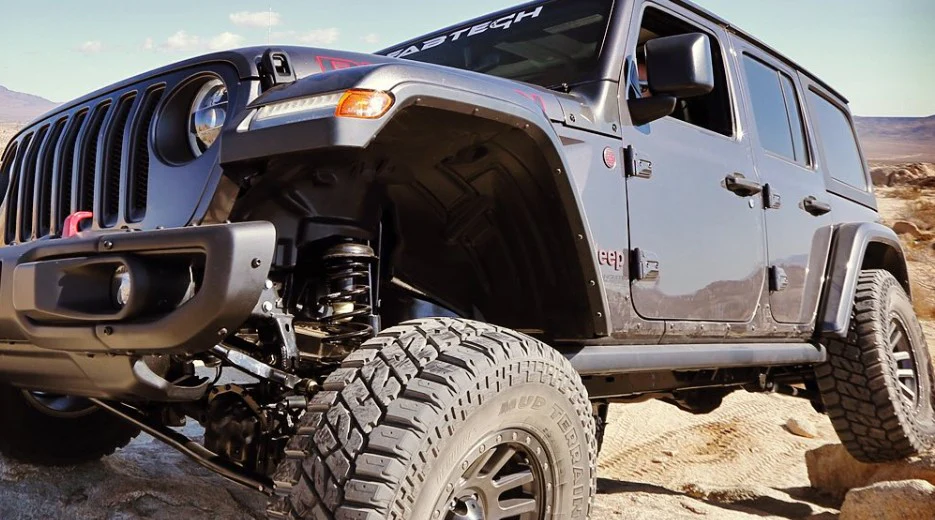
For 4WD drivers who want more ground clearance, enhanced off-road capabilities, and a more aggressive vehicle attitude, lift kits are among the most popular modifications. While properly fitted, a raise kit may enhance performance and provide drivers with more confidence while navigating challenging terrain. However, poorly designed or improperly installed suspension improvements can cause issues.
Steering, suspension geometry, tyre wear, braking, and general drivability may all be adversely affected by an incorrectly mounted raise kit. In some instances, it may potentially pose a danger to public safety or render a car in violation of local traffic laws. Before making any changes to a four-wheel-drive vehicle, it is crucial to understand the potential consequences of improper installation.
It Is Possible To Throw Suspension Geometry Out Of Alignment
Modern 4WD suspension systems are carefully engineered to keep tyres, steering components, and suspension arms operating at specific angles. When a lift kit is installed, those factory settings are changed.
If the suspension is not properly adjusted after installation, the geometry can become uneven. This often leads to poor wheel alignment, uneven tyre wear, and unstable steering. These issues can become more noticeable with higher lifts.
A suspension system that is out of alignment may cause the vehicle to drift while driving, especially at highway speeds. Drivers may find themselves constantly correcting the steering to keep the vehicle straight. Over time, this can place additional stress on steering components, bushes, and suspension joints.
That is why it is important to have lift kits installed and properly set up by an experienced 4WD mechanic. A professional installation helps ensure the suspension geometry is correctly adjusted once the lift is complete.
Improper Installation May Lead To Early Tire Wear
Poor lift kit installation issues often start to show up in the tyres. Tires may wear unevenly across the tread surface if wheel alignment is not properly adjusted when the vehicle is lifted.
Typical problems with tyre wear include:
- Excessive deterioration of the outer or inner borders
- Patterns of feathered tread
- Quick loss of tread
- Vibration while operating a vehicle
In addition to shortening tyre life, uneven tyre wear may impair handling and traction. Poor tyre contact may impair a vehicle’s ability to brake and maintain stability over uneven terrain while off-road.
Over time, it becomes costly to replace tyres often as a result of incorrect suspension setup. The expense of frequent tyre changes often outweighs the initial cost of expert installation.
Handling And Steering Feel Could Get Worse
Many drivers anticipate their 4WD to feel more powerful and stable after installing lift kits. Regrettably, an improperly fitting raise kit may have the opposite effect.
The interaction between steering arms, suspension parts, and wheel location is altered when a car is raised. Steering may become ambiguous or unexpected if these modifications are not made correctly.
Some motorists observe:
- Too much steering play
- Wandering vehicles
- An increase in body roll
- Bump steer, vibration of the steering wheel
When driving fast or braking in an emergency, these problems become more hazardous. Inadequate steering response can make long-distance driving unpleasant and undermine driver confidence.
After modification, expert suspension tuning aids in the restoration of balanced handling. Important steps in the procedure include wheel alignment, caster correction, and steering adjustments.
Suspension And Driveline Parts Could Wear Out More Quickly
Accelerated wear on driveline components is another frequent problem with improper lift kit installation. The working angles of parts like CV joints, driveshafts, and universal joints are altered when the suspension is raised.
Parts may deteriorate even more quickly than usual if these angles go too high. When turning and accelerating, drivers may start to hear clicking, vibrating, or clunking sounds.
Inadequate spring rates or subpar parts may potentially harm shock absorbers. An excessively stiff or soft suspension system might put undue stress on mounting locations and chassis parts.
Long-term dependability depends on selecting the proper set of springs, shocks, and supporting hardware.
Legal Compliance May Turn Into A Serious Issue
Tire size increases, suspension changes, and vehicle height are all subject to stringent regulations in many areas. There may be problems with compliance if a raise kit is fitted without taking legal requirements into account.
Possible issues consist of:
- Notifications of defects
- Inspections that failed
- Complications with insurance
- Failures of roadworthy certificates
Depending on the vehicle type and lift height, certain changes could need engineering permission. Road safety laws may be broken by improperly built suspension systems, which may also have an impact on headlamp placement or braking effectiveness.
Drivers should be aware of local rules and make sure any changes adhere to allowed standards before upgrading suspension.
Inadequate Components Raise The Failure Risk
Not every lift kit is produced to the same specifications. Suspension kits that are inexpensive or poorly constructed may break down too soon, particularly if they are used extensively off-road.
Low-quality parts may consist of:
- Inadequate control arms
- Poor quality shock absorbers
- Badly constructed brackets
- Insufficient mounting hardware
If the components are faulty, even a well-mounted suspension system may have issues. Because of this, skilled installers often suggest reputable suspension manufacturers that have been shown to be compatible with certain 4WD models.
Checks After Installation Are Crucial
The lift kit installation is only one step in the procedure. To guarantee the vehicle operates securely, proper post-installation inspections are equally crucial.
These inspections often consist of:
- Alignment of wheels
- Inspection of steering angles
- Torque tests on suspension bolts
- Inspection of brake lines
- Driveline angle evaluation
- Test driving under various scenarios
After several hundred kilometres of driving, several suspension problems start to show. After first usage, double-checking alignment and suspension settings aids in spotting issues before they worsen.
Conclusion
Although incorrect installation may lead to serious issues that impact safety, comfort, dependability, and legal compliance, lift kits are not intrinsically harmful for a 4WD. Inadequate improvements can result in tyre wear, driveline strain, suspension geometry changes, and steering instability.
A raised 4WD’s performance both on and off the road is greatly influenced by careful design, high-quality parts, and expert setup. For many years to come, the car should be safe, functional, and delightful to drive thanks to proper installation and post-installation checks.
