

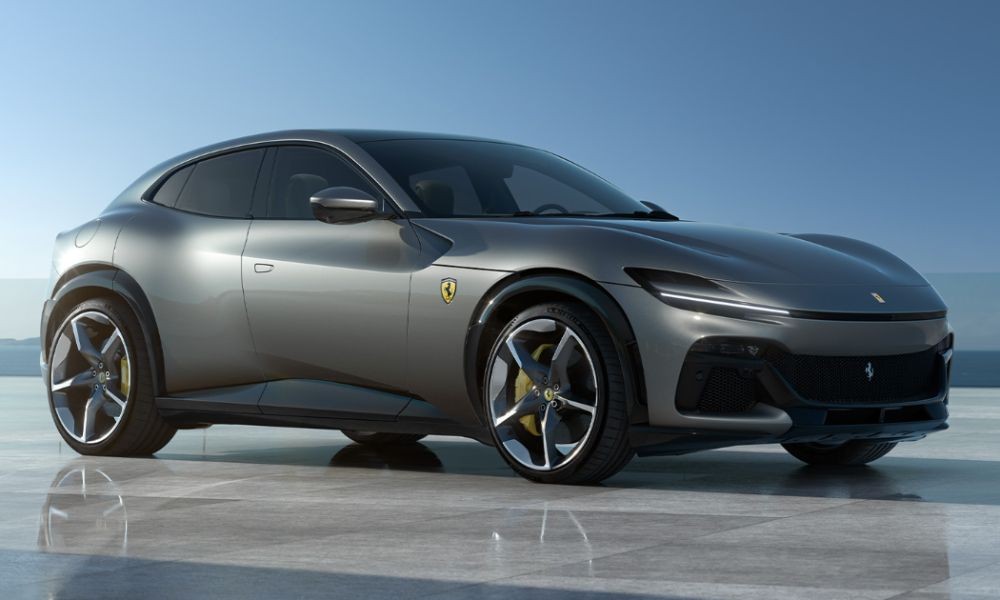
Today’s exotic car interior is more than just a luxury interior – it’s a sophisticated technological environment designed to provide driver engagement, performance and comfort. Supercars of the day are brimming with electronics, advanced control systems, and ergonomic design, all of which contribute to a cockpit-like feel, but with a futuristic and very practical touch. All the details in an exotic car are meticulously crafted to enhance speed, accuracy, and ease of use while simultaneously delivering a high-end experience.
Digital Cockpit Displays
A digital cockpit is one of the most striking aspects of contemporary exotic interiors. Old-fashioned analogue instrument panels are no longer used; instead, they’re replaced by large, high-resolution digital instrument clusters that show current driving information. These displays provide a customizable layout of speed, RPM, navigation, gear position, tyre pressure, and performance. Depending on the driving style, the driver can choose between different display modes: comfort, sport or track. This digital integration allows for access to vital information FisherLuxuryRental services at a single click and also enhances visibility and decreases distractions.
Advanced Infotainment Systems
Exotic cars’ Infotainment systems are engineered to merge entertainment, connectivity and vehicle control into a single solution. The large touchscreen displays enable the driver to operate the audio, navigation, climate control and vehicle settings. Today’s systems can also be integrated with a smartphone, provide voice commands and offer cloud-based services. This means drivers can listen to music, make calls, receive messages and use navigation without diverting their attention from what they do on the road. Some are performance-driven, providing telemetry information and analytics for enthusiasts.
Driver-Centric Interior Design
Exotic car interiors are created with a driver-centric design. Cockpit-like configuration of controls, screens and seating positions to improve control and engagement. High-speed driving and cornering often require low-slung, ergonomically formed seats for maximum support. Integrated controls such as paddle shifters, driving mode selectors and performance buttons are built into steering wheels. This configuration will make it easy for the driver to access key operations.
Materials with low weight and high technology.
Because of high-performance demands, exotic cars’ interiors are made of lightweight, high-quality materials. Luxury without weight added means the use of carbon fibre, Alcantara, aluminium, or high-grade leather. Carbon fibre is frequently used in dashboard and door panels, trim components and other elements to minimise vehicle weight. Lighter materials mean improved acceleration, handling, and efficiency, all while maintaining a high level of comfort. These materials also add to the futuristic look of the interior.
Climate and Comfort Technology
There are advanced climate control systems in modern exotic cars that keep the cabin climate at an optimum level despite the external environment. Dual-zone or multi-zone climate control units can provide driver and passenger zone heating and cooling functions. A few cars also have ventilated and heated seats, ambient lighting and air purification systems for extra comfort. Though they are performance cars, they also focus on luxury and practicality.
Driver Assistance and Smart Features.
Advanced driver assistance systems are now found on high-performance cars. Features such as parking sensors, rear-view cameras, adaptive cruise control, and collision warning systems enhance safety and convenience. The systems assist the driver in handling high-performance cars better in traffic and in confined areas.
