

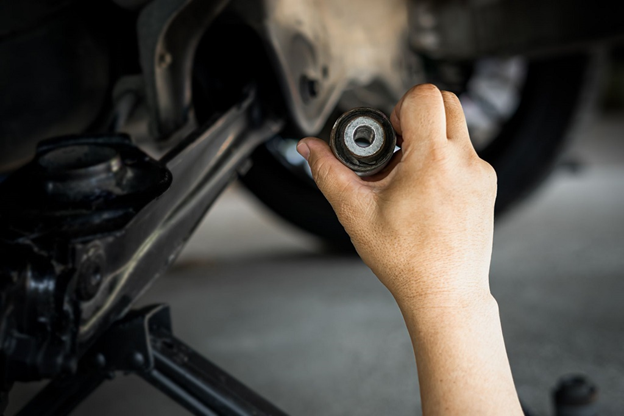
In the world of automotive engineering, suspension systems play a pivotal role in delivering comfort, control, and safety. One of the most critical yet often overlooked components of a suspension system is the bushing.
Traditionally made from rubber or metal, bushings act as cushions between parts, reducing vibration and wear.
However, in recent years, PTFE bushings have emerged as a superior alternative, especially for high-performance and demanding automotive applications.
What Are PTFE Bushings?
PTFE bushings are bearing components made from pure PTFE or filled PTFE materials. Known for its outstanding chemical resistance, low friction coefficient, and high temperature tolerance, PTFE is a high-performance polymer that has found extensive use in aerospace, medical, and automotive industries.
Advantages of PTFE Bushings in Suspension Systems
1. Self-Lubricating Properties
One of the standout features of PTFE is its self-lubricating nature. Unlike traditional metal or rubber bushings that often require regular lubrication or greasing, PTFE bushings operate smoothly without added lubricants. This makes them ideal for suspension systems where access for maintenance is limited or where reliability is crucial over the vehicle’s lifespan.
2. Low Friction and Smooth Movement
PTFE has one of the lowest coefficients of friction among engineering materials. This characteristic allows for reduced drag and smoother articulation of suspension components. Whether it’s controlling wheel alignment or absorbing road shocks, PTFE bushings help the system respond efficiently and consistently.
3. Superior Wear Resistance
Automotive suspension systems are exposed to constant dynamic loads, road vibrations, and environmental factors. PTFE bushings offer exceptional wear resistance and maintain their structural integrity under extreme mechanical stress, contributing to longer service life and reduced need for replacement.
4. Wide Temperature Range
PTFE can operate effectively in temperatures ranging from -200°C to +260°C. This makes PTFE bushings ideal for vehicles operating in varied climates—from freezing winters to high-heat desert conditions. Their performance remains stable even during extreme thermal fluctuations experienced in automotive environments.
5. Corrosion and Chemical Resistance
In environments where moisture, road salt, and chemicals are common, corrosion is a major issue for metal bushings. PTFE, however, is inherently resistant to corrosion and chemical attack, ensuring durability and reliable performance in all road and weather conditions.
6. Vibration and Noise Dampening
PTFE bushings contribute to noise and vibration reduction, enhancing overall driving comfort. The material absorbs and dissipates vibrations more efficiently than rigid metal parts, resulting in quieter vehicle operation—an important feature for modern consumer expectations.
7. Lightweight and Compact
Compared to metal components, PTFE bushings are lightweight, which contributes to the overall reduction in vehicle weight.
Applications of PTFE Bushings in Suspension Systems
PTFE bushings are widely used in:
- Control Arms
- Stabilizer Bars (Sway Bars)
- Trailing Arms
- Shock Absorbers
- Strut Mounts
- Leaf Spring Eye Bushings
In high-performance or racing vehicles, where precision handling and durability are paramount, PTFE bushings often replace rubber or polyurethane parts.
Comparison with Traditional Bushings
| Property | Rubber Bushings | Metal Bushings | PTFE Bushings |
| Lubrication Needed | No (but degrades) | Yes | No |
| Noise Dampening | High | Low | Moderate to High |
| Friction | Medium | High | Very Low |
| Temperature Tolerance | Low | Medium | Very High |
| Wear Resistance | Low | High | Very High |
| Maintenance | Low | High | Minimal |
| Cost | Low | Moderate | Higher (but longer life) |
